
Many people wonder if LASIK surgery can free them from glasses and contact lenses. This common question requires careful consideration of your eye health, lifestyle, and expectations. Understanding whether you qualify as a good candidate helps you make an informed decision about this popular refractive surgery.
What’s the Goal of LASIK?
LASIK eye surgery aims to correct refractive errors that cause blurry vision. The procedure reshapes your cornea to improve how light enters your eye. This helps reduce or eliminate your dependence on glasses and contact lenses.
The surgery addresses three main vision problems:
- Myopia (nearsightedness) – distant objects appear blurry
- Hyperopia (farsightedness) – close objects appear blurry
- Astigmatism – both near and distant vision appear distorted
Eye doctors perform LASIK to give patients clearer vision and greater freedom in daily activities. The procedure works by using a laser to remove tiny amounts of corneal tissue. This creates a new shape that allows light to focus properly on your retina.
Most patients experience significant vision improvement within 24 hours. The goal is to achieve 20/20 vision or better, though results vary based on individual factors. However, more than 99% of people have 20/40 vision or better.

Key Factors That Determine LASIK Candidacy
Several important factors help determine if you are a good LASIK candidate. Your eye doctor will evaluate these during your LASIK consultation.
Age Requirements
You must be at least 18 years old for LASIK surgery. Most surgeons prefer patients to be 21 or older because vision continues changing during the teenage years. Your prescription should remain stable for at least one year before surgery.
Prescription Stability
A stable prescription indicates your eyes have stopped changing. If your glasses or contact lens prescription changes frequently, you may need to wait longer before considering LASIK eye surgery.
Overall Eye Health
Healthy eyes are essential for successful LASIK surgery. Conditions like glaucoma, cataracts, or severe dry eye may disqualify you from the procedure. Your eye doctor will perform comprehensive tests to evaluate your eye health.
Corneal Thickness
LASIK requires adequate corneal thickness because the procedure removes tissue. Thin corneas may not provide enough material for safe surgery. Advanced imaging helps measure your corneal thickness accurately.
Medical Conditions That May Affect Eligibility
Certain health conditions can impact your suitability for refractive surgery. These conditions include:
- Autoimmune disorders, such as rheumatoid arthritis or lupus, may affect healing
- Diabetes, which can cause vision fluctuations and healing complications
- Pregnancy and nursing can affect hormone levels and temporarily change vision
- Medications like steroids or immunosuppressants that impact healing processes
- Eye conditions, including glaucoma, cataracts, or corneal diseases
Your eye doctor will review your complete medical history during your consultation to determine if any conditions affect your candidacy.

Lifestyle Considerations
Your career and hobbies significantly influence whether LASIK makes sense for your situation. Athletes who play basketball, soccer, or tennis find freedom from glasses liberating during competition. Military personnel, pilots, and law enforcement officers often choose LASIK to meet strict vision requirements without depending on corrective lenses.
Active lifestyles benefit tremendously from LASIK eye surgery. Swimmers no longer worry about losing contact lenses in the pool. Hikers and campers avoid the hassle of cleaning glasses in dusty conditions or dealing with fogged lenses during weather changes.
Your risk tolerance matters too. Some people accept small chances of complications for the convenience of clear vision, while others prefer the safety of glasses and contact lenses.
The Importance of Realistic Expectations
Perfect vision isn’t guaranteed, even with successful LASIK surgery. Most patients achieve 20/40 vision or better, but some may still need glasses for certain activities like reading small print or driving at night.
Age-related vision changes will still occur after LASIK. Presbyopia typically develops in your 40s, requiring reading glasses regardless of previous refractive surgery. Understanding this helps prevent disappointment years later.
Enhancement procedures become necessary for about 10-15% of patients. Your vision may change over time, or the initial correction might not fully address your refractive errors. Budget considerations should include potential additional procedures.
Possible Side Effects and Complications
LASIK surgery carries both temporary side effects and rare but serious complications that every good LASIK candidate should understand before making their decision.
Temporary Side Effects
Most patients experience dry eye symptoms for several weeks following their procedure. Your eyes may feel scratchy, produce excess tears, or burn during the healing process. Preservative-free artificial tears provide relief, and symptoms typically resolve within three months.
Night vision disturbances affect many patients initially. You might see halos around streetlights, experience glare from oncoming headlights, or notice starbursts around bright lights. These effects usually diminish as your corneas heal, though some patients notice them long-term.
Light sensitivity commonly occurs during the first few days after surgery. Bright sunlight or indoor lighting may feel uncomfortable, making sunglasses essential during recovery.
Serious Complications
Infection represents one of the most concerning risks, though it occurs in fewer than 1 in 1,000 cases. Proper post-operative care and antibiotic eye drops significantly reduce this risk. Signs include increasing pain, redness, or discharge from the eye.
Corneal flap complications can happen during surgery or healing. The flap may wrinkle, shift, or not adhere properly to the underlying tissue. Additional procedures may be required to reposition or smooth the flap.
Severe chronic dry eye affects a small percentage of patients. This condition causes ongoing discomfort and blurred vision and may require long-term management with prescription medications or procedures.
Under-correction or over-correction leaves patients with residual refractive errors. While enhancement surgery can often fix these issues, some patients may still need glasses or contact lenses for optimal vision.
Related Article: Can You Get LASIK Twice?
Common Disqualifying Factors
Severe dry eye syndrome often disqualifies patients because LASIK can worsen the condition. Eye doctors evaluate tear production and quality during consultations. Alternative treatments for dry eye may be necessary before considering refractive surgery.
Thin or irregular corneas prevent safe LASIK procedures. The surgery requires sufficient corneal thickness to create the flap and perform the reshaping. Patients with these conditions might be candidates for alternative procedures like PRK or implantable contact lenses.
Large pupils increase the risk of night vision problems because the treatment zone may not cover the entire pupil opening in dim light. Surgeons measure pupils under different lighting conditions to assess this risk factor.
What to Expect Before, During, and After
Pre-Surgery Evaluation
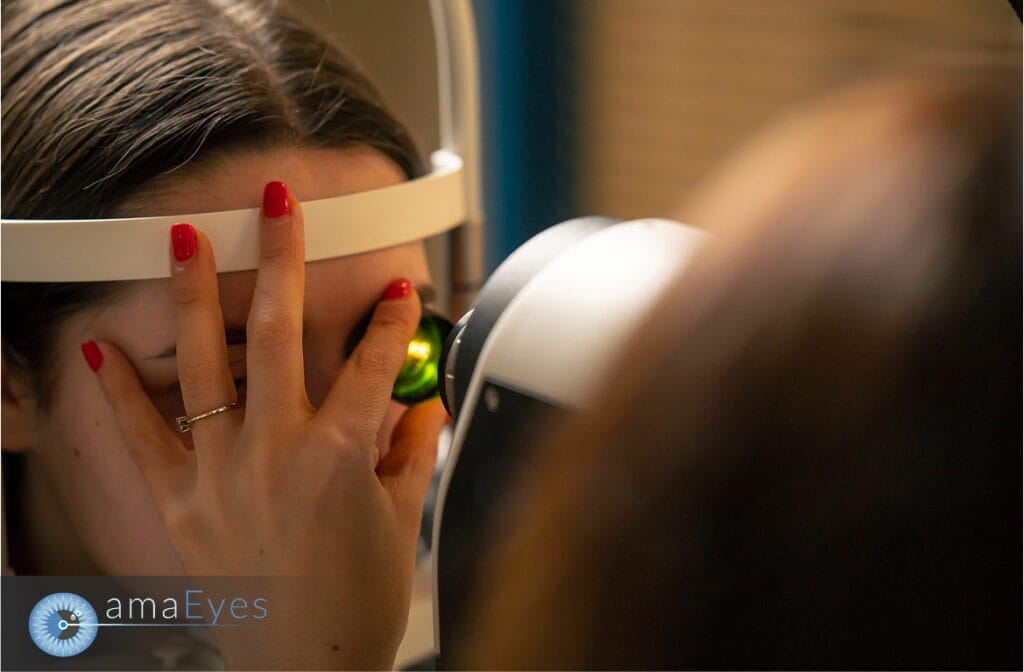
If you’re considering LASIK, the first step is a comprehensive eye examination. This evaluation typically includes measuring corneal thickness, curvature, and topography; assessing pupil size; evaluating tear film quality; performing detailed refraction testing; and conducting an overall eye health examination. These tests help determine if LASIK is appropriate for your specific situation and identify any risk factors.
The Procedure
LASIK is an outpatient procedure that generally takes about 10 minutes per eye. You’ll receive numbing eye drops, so most patients experience minimal discomfort. The surgeon creates a thin corneal flap, folds it back, uses the laser to reshape the underlying cornea, and then repositions the flap. Many patients report immediate improvement in vision, though it may be blurry or hazy at first.
Recovery Period
Most people return to normal activities within a day or two, though you’ll need to avoid certain activities like swimming or contact sports for a few weeks. Your doctor will provide specific instructions regarding eye drop medications to prevent infection and inflammation, temporary restrictions on activities, follow-up appointments to monitor healing, and temporary side effects to expect. Following these instructions carefully can help ensure optimal healing and results.
Making Your Decision
Schedule a thorough LASIK consultation with experienced eye doctors to determine your candidacy. This appointment includes detailed eye measurements, health evaluations, and discussions about your expectations and lifestyle needs.
Research your surgeon’s qualifications and track record carefully. A board-certified ophthalmologist with extensive LASIK and refractive surgery experience is what you should look for. Ask about complication rates, patient satisfaction scores, and how they handle enhancement procedures.
The financial investment varies widely, but consider long-term savings on glasses and contact lenses. Many practices offer financing options to make the procedure more affordable.
Don’t rush this decision. Take time to research, ask questions, and consider all factors. Remember that LASIK is elective surgery, and you should feel completely comfortable with your choice before proceeding.
Frequently Asked Questions
Is there a downside to LASIK surgery?
Yes, LASIK carries potential downsides, including dry eye symptoms, night vision issues like halos and glare, and rare complications such as infection or vision loss. The procedure is irreversible, and some patients may need reading glasses sooner than expected due to presbyopia.
What is the regret rate for LASIK?
Studies show regret rates for LASIK are very low, typically less than 5%. Most patients report high satisfaction with their results. Regret usually stems from unrealistic expectations, complications, or inadequate pre-surgical screening rather than the procedure itself.
How do I know if LASIK eye surgery is right for me?
A comprehensive LASIK consultation with qualified eye doctors is essential. You need stable vision, healthy eyes, adequate corneal thickness, and realistic expectations. Your lifestyle, career requirements, and tolerance for potential risks also factor into the decision.
When is LASIK not recommended?
LASIK is not recommended for patients with severe dry eye, thin corneas, unstable prescriptions, certain autoimmune conditions, or unrealistic expectations. Pregnant or nursing women should wait, as should people with active eye infections or degenerative eye diseases.
What happens after 10 years of LASIK?
Most patients maintain good vision 10 years after LASIK surgery. However, age-related changes like presbyopia will require reading glasses. Some people may experience slight vision regression or develop cataracts, which are normal aging processes unrelated to the original LASIK procedure.