
IPL also targets abnormal blood vessels on the surface of the eye. These vessels can contribute to dryness and discomfort by promoting inflammation and interfering with the normal tear film.
IPL is highly versatile and clinically trusted to improve:
IPL offers several practical advantages that make it a frequently chosen option across our full range of care and aesthetic services:
IPL does not require incisions, injections, or anesthesia. The procedure is performed in-office with a handheld device, and most patients tolerate it well
Most people return to normal activity the same day. Mild redness or sensitivity may be present for a day or two following treatment, but there is no extended recovery period.
Improvements typically appear over the two to four weeks following treatment as the body clears targeted cells and builds new collagen. A series of treatments produces more significant results than a single session
A single technology platform can address multiple conditions. For patients with both cosmetic concerns and dry eye symptoms, IPL may address both in the same course of treatment.
Maintenance sessions can extend results. For dry eye patients, the anti-inflammatory effects of IPL may reduce the frequency and severity of flare-ups over time.
Dry eye disease is not one-size-fits-all. Some patients respond best to IPL, while others benefit from Low Level Light Therapy (LLLT) or a customized combination of both.
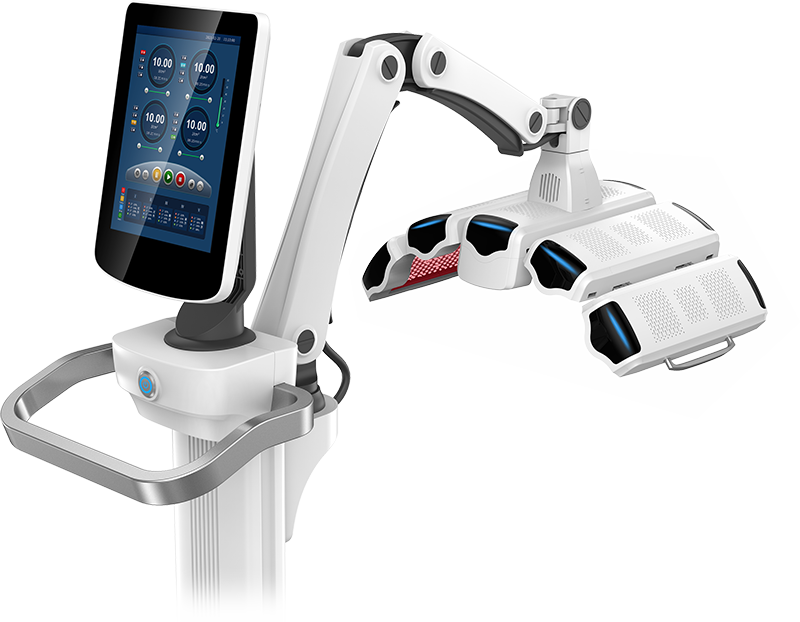
Low Level Light Therapy (LLLT) is a non-invasive treatment that uses specific wavelengths of light to support cellular healing and reduce inflammation. At amaEyes, LLLT may be used as a standalone option or combined with IPL to help relieve dry eye symptoms, eyelid inflammation, and ocular surface discomfort.
LLLT works by delivering targeted light energy that improves cellular function, boosts energy production (ATP), and enhances circulation—helping calm inflammation and support healthier gland function without heat or discomfort.
A focused IPL treatment designed to reduce inflammation and help resolve a stye or chalazion in a single visit.
A follow-up IPL session that supports continued healing and improves results after an initial stye or chalazion treatment.
IPL is used to treat a wide range of skin and eye conditions, including sun damage, age spots, rosacea, spider veins, acne scars, unwanted hair, fine lines, and dry eye disease caused by meibomian gland dysfunction.
A laser emits a single wavelength of concentrated light, while IPL uses a broad spectrum of wavelengths simultaneously. This makes IPL more versatile across different tissue types and conditions, though lasers may be more precise for certain targeted applications.
Most patients describe the sensation as a warm snap or rubber-band flick against the skin. Cooling systems built into the device help minimize discomfort. The treatment is generally well-tolerated without anesthesia.
The number of treatments depends on the condition being addressed. For skin conditions like sun damage or rosacea, three to five sessions spaced several weeks apart is typical. For dry eye disease, a series of four treatments is commonly recommended, with maintenance sessions as needed.
A typical session takes 20 to 45 minutes depending on the area being treated and the number of passes performed.
Skin improvements, including clearing of spots, reduced redness, and improved texture, typically become visible two to four weeks after treatment as the body processes and clears the targeted cells. Results for dry eye symptoms may develop gradually over several weeks following the treatment series.
IPL is not a permanent cure for dry eye disease, but it can produce sustained improvement in symptoms and meibomian gland function. Many patients maintain results with periodic follow-up sessions, reducing their dependence on artificial tears and eye drops.
IPL may not be appropriate for patients with very dark skin tones, active infections in the treatment area, recent isotretinoin use, or certain photosensitizing medications. A thorough evaluation is required before treatment to confirm candidacy.
Coverage for IPL varies by plan and provider. When IPL is used for dry eye disease management, it may fall under a different coverage category than cosmetic applications. The team at amaEyes can help you understand your options during your consultation.
Patients are generally advised to avoid sun exposure, self-tanning products, and certain skincare acids in the days before treatment. Your amaEyes provider will give you specific instructions based on the area being treated and your skin type.
Ready to improve your skin health or find relief from dry eye symptoms?
Call us today to schedule your IPL consultation.