
Intense pulsed light, commonly called IPL, is one of the most versatile light-based treatments in modern medicine. In a single session, it can address everything from sun-damaged skin and visible blood vessels to a chronic eye condition that affects millions of Americans. If you’ve heard the term but aren’t sure what IPL actually does, or whether it applies to you, this guide breaks it down in detail.
IPL treatment at amaEyes uses this technology for both cosmetic skin improvement and a growing medical application: relieving the symptoms of dry eye disease. Here’s what you need to know about how it works and what it can treat.
How Intense Pulsed Light Works
IPL devices emit broad-spectrum light across multiple wavelengths simultaneously, unlike a laser, which targets a single wavelength. The light pulses penetrate the skin’s surface and are absorbed by specific targets, such as pigment, blood vessels, and hair follicles, depending on the filter settings and the condition being treated.
The energy absorbed by these targets converts to heat. That heat either destroys the unwanted tissue (as in the case of a blood vessel or hair follicle) or triggers a healing response in the surrounding tissue (as with collagen stimulation for skin texture). Because IPL can be calibrated to target different chromophores, a single technology platform can address a wide range of conditions, which is why the treatment is used across both dermatology and ophthalmology.
Skin Conditions IPL Is Used to Treat
Sun Damage and Hyperpigmentation
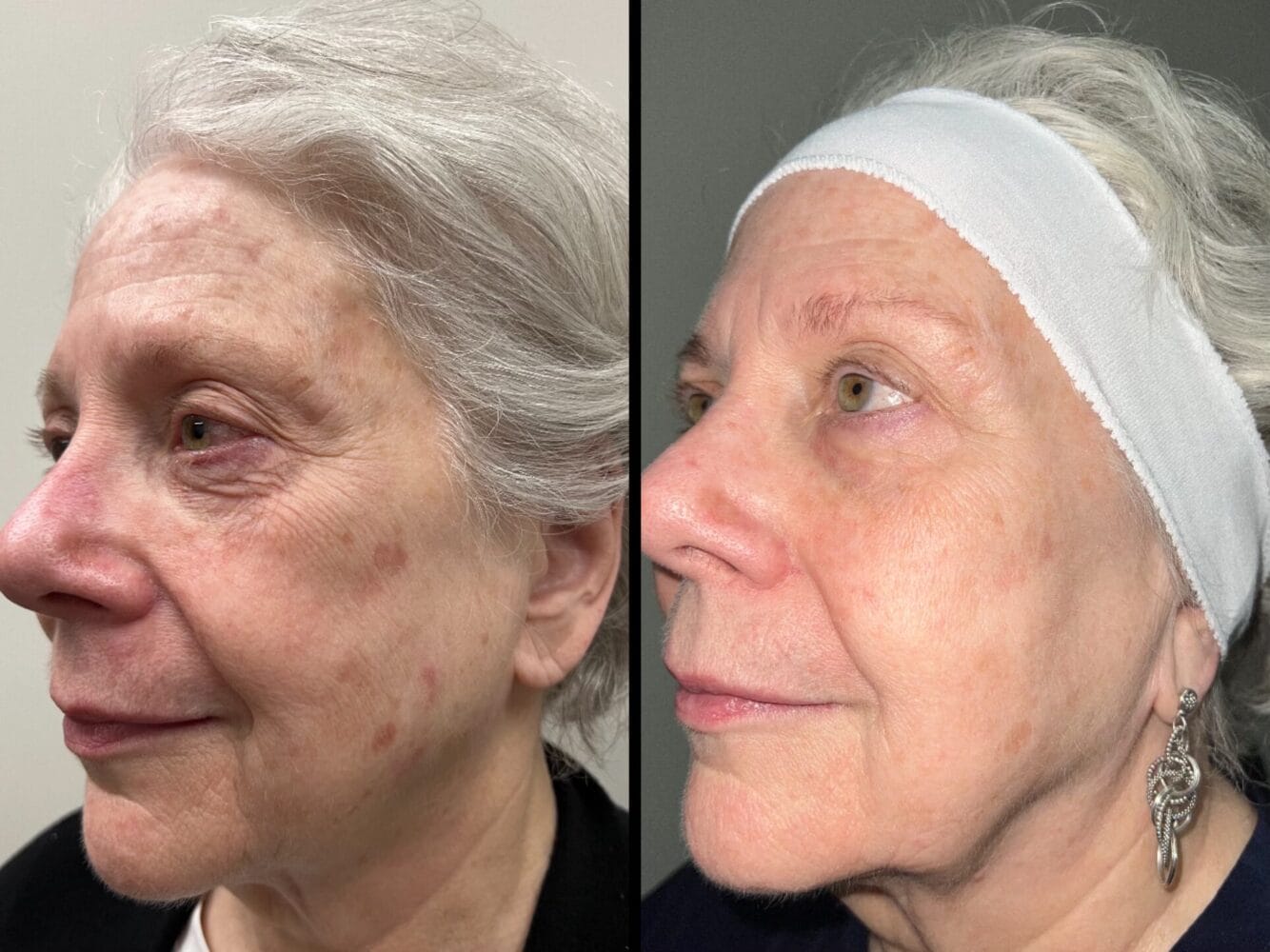
Sun exposure over time causes pigment to accumulate unevenly in the skin, producing sunspots, age spots, and a generally uneven complexion. IPL light is selectively absorbed by excess melanin in these darkened areas. The targeted cells are broken down and gradually cleared by the body, revealing a more even skin tone underneath. This is often the primary reason patients pursue what’s commonly called a photofacial treatment.
Rosacea and Facial Redness
Rosacea is a chronic inflammatory skin condition that causes persistent facial redness and visible blood vessels, typically across the cheeks, nose, and chin. IPL targets the hemoglobin in the dilated blood vessels responsible for that flushing appearance. The vessel walls collapse and are reabsorbed over time, reducing visible redness without damaging the surrounding skin.
Vascular Lesions and Spider Veins
Beyond rosacea, IPL can treat a range of vascular irregularities, such as spider veins on the face and legs, port-wine stains, and broken capillaries that appear near the surface of the skin. The same mechanism applies where light energy absorbed by blood vessels causes them to break down while leaving surrounding tissue intact.
Freckles and Benign Pigmented Lesions
Freckles, birthmarks, and other flat, pigmented lesions are often responsive to IPL therapy. Because these lesions contain higher concentrations of melanin than surrounding skin, they absorb more light energy, which breaks down the pigment selectively.
Fine Lines, Wrinkles, and Skin Texture
IPL promotes collagen production in the deeper layers of the skin. Collagen is the structural protein responsible for skin firmness and elasticity. By stimulating the body’s natural collagen response, IPL can improve skin texture, soften fine lines, and give the skin a smoother appearance over time. This benefit often develops gradually in the weeks following treatment as new collagen forms.
Acne Scars and Hyperpigmentation
Post-inflammatory hyperpigmentation, the dark marks that remain after acne clears, responds well to IPL. The light breaks down excess melanin at the site of the former blemish. IPL may also target the bacteria associated with active acne and reduce the inflammation that drives breakouts in the first place.
Unwanted Hair
IPL is one of the most widely used methods for long-term hair reduction. The melanin in hair follicles absorbs the light energy, which damages the follicle and inhibits future growth. Multiple sessions are typically required to catch follicles in the active growth phase, and results are most effective for people with darker hair on lighter skin.
IPL for Eye Conditions: The Medical Application
The most significant development in IPL over the past decade has little to do with skin. A growing body of research now supports IPL as an effective treatment for two eye conditions that are difficult to manage with eye drops alone: dry eye disease and ocular rosacea.
IPL for Dry Eye Disease and Meibomian Gland Dysfunction
Dry eye disease affects a significant portion of the adult population and is one of the most common reasons people visit an eye doctor. Many cases are caused by meibomian gland dysfunction (MGD), a condition in which the small glands along the eyelid margin fail to produce adequate oil for the tear film. Without that oily layer, tears evaporate too quickly, leaving the eye surface exposed and irritated.
IPL addresses MGD at its root cause rather than just masking symptoms. When applied to the skin around the eyes, IPL reduces the inflammation in and around the meibomian glands, restoring healthier function. It also targets the abnormal blood vessels near the eyelid margin that contribute to chronic inflammation. After a series of treatments, many patients experience meaningful improvement in tear film stability and symptom relief.
Dry eye disease treatment at amaEyes incorporates IPL as part of a personalized approach to meibomian gland dysfunction, something conventional artificial tears can’t replicate.
IPL for Ocular Rosacea
Rosacea doesn’t always stay on the surface of the skin. When the condition affects the eyes and eyelids — a presentation called ocular rosacea — it causes chronic redness, burning, and irritation that can be mistaken for ordinary dry eye or allergies. The same vascular and inflammatory mechanisms that drive facial rosacea affect the ocular surface.
Because IPL targets abnormal blood vessels and reduces inflammatory signaling, it addresses both the skin manifestation of rosacea and its ocular component simultaneously. For patients dealing with persistent red eye symptoms related to rosacea, this dual effect makes IPL a particularly useful option.
IPL Therapy Benefits: What to Expect
IPL offers several practical advantages that make it a frequently chosen option across our full range of eye care and aesthetic services:
- Non-invasive. IPL does not require incisions, injections, or anesthesia. The procedure is performed in-office with a handheld device, and most patients tolerate it well.
- Minimal downtime. Most people return to normal activity the same day. Mild redness or sensitivity may be present for a day or two following treatment, but there is no extended recovery period.
- Progressive results. Improvements typically appear over the two to four weeks following treatment as the body clears targeted cells and builds new collagen. A series of treatments produces more significant results than a single session.
- Versatility. A single technology platform can address multiple conditions. For patients with both cosmetic concerns and dry eye symptoms, IPL may address both in the same course of treatment.
- Long-lasting impact. Maintenance sessions can extend results. For dry eye patients, the anti-inflammatory effects of IPL may reduce the frequency and severity of flare-ups over time.
Intense Pulsed Light Side Effects and Considerations
IPL is generally well-tolerated, but it is not appropriate for everyone. Being informed about the risks helps patients make confident treatment decisions.
Common, temporary effects include redness and mild swelling in the treated area immediately after the procedure, temporary darkening of pigmented spots before they fade, and mild sensitivity to sunlight for a short period following treatment.
Who may not be a candidate includes individuals with very dark skin tones (higher risk of hyperpigmentation), people taking certain photosensitizing medications, those who have used isotretinoin recently, people with active skin infections in the treatment area, and pregnant individuals.
A comprehensive evaluation is the appropriate first step before any IPL treatment. At amaEyes, patients undergo a comprehensive eye exam to establish a baseline and determine whether IPL is the right fit for their specific condition and anatomy.
Frequently Asked Questions About IPL
What is intense pulsed light used to treat?
- IPL is used to treat a wide range of skin and eye conditions, including sun damage, age spots, rosacea, spider veins, acne scars, unwanted hair, fine lines, and dry eye disease caused by meibomian gland dysfunction.
How is IPL different from a laser?
- A laser emits a single wavelength of concentrated light, while IPL uses a broad spectrum of wavelengths simultaneously. This makes IPL more versatile across different tissue types and conditions, though lasers may be more precise for certain targeted applications.
Is IPL treatment painful?
- Most patients describe the sensation as a warm snap or rubber-band flick against the skin. Cooling systems built into the device help minimize discomfort. The treatment is generally well-tolerated without anesthesia.
How many IPL sessions are needed?
- The number of treatments depends on the condition being addressed. For skin conditions like sun damage or rosacea, three to five sessions spaced several weeks apart is typical. For dry eye disease, a series of four treatments is commonly recommended, with maintenance sessions as needed.
How long does an IPL session take?
- A typical session takes 20 to 45 minutes depending on the area being treated and the number of passes performed.
When will I see results from IPL therapy?
- Skin improvements, including clearing of spots, reduced redness, and improved texture, typically become visible two to four weeks after treatment as the body processes and clears the targeted cells. Results for dry eye symptoms may develop gradually over several weeks following the treatment series.
Can IPL treat dry eyes permanently?
- IPL is not a permanent cure for dry eye disease, but it can produce sustained improvement in symptoms and meibomian gland function. Many patients maintain results with periodic follow-up sessions, reducing their dependence on artificial tears and eye drops.
Who should not get IPL treatment?
- IPL may not be appropriate for patients with very dark skin tones, active infections in the treatment area, recent isotretinoin use, or certain photosensitizing medications. A thorough evaluation is required before treatment to confirm candidacy.
Does insurance cover IPL for dry eye?
- Coverage for IPL varies by plan and provider. When IPL is used for dry eye disease management, it may fall under a different coverage category than cosmetic applications. The team at amaEyes can help you understand your options during your consultation.
What should I do to prepare for an IPL session?
- Patients are generally advised to avoid sun exposure, self-tanning products, and certain skincare acids in the days before treatment. Your amaEyes provider will give you specific instructions based on the area being treated and your skin type.
Is IPL Right for You?
IPL is one of the few treatments that sits at the intersection of cosmetic improvement and medical care. For patients dealing with sun damage, rosacea, or unwanted pigmentation, it offers a non-invasive path to clearer skin. For patients struggling with chronic dry eye or the ocular effects of rosacea, it addresses the inflammatory mechanisms that other treatments can’t reach.
The best way to determine whether IPL is appropriate for your specific situation is to speak with an eye care provider who has experience evaluating both the ocular surface and the skin around the eyes together.
Schedule a consultation at amaEyes to discuss whether IPL is the right fit for your needs. Our Marysville, Ohio team is experienced in both the medical and aesthetic applications of intense pulsed light, and will help you understand your options based on a thorough evaluation.